




If you’re a driver in Camp Springs, you know the unique challenges our local roads can present-whether it’s navigating the busy traffic on Branch Avenue or the occasional detour around Henson Creek Park. That’s why we at Passport Toyota have crafted this maintenance guide specifically for you. With decades of experience serving our community, including neighbors in Suitland-Silver Hill, Waldorf, Bowie, Upper Marlboro, and Alexandria, we understand how our climate and driving conditions impact your Toyota. This guide will help you keep your vehicle performing at its best, ensuring you enjoy the reliability and efficiency you expect from your Toyota, tailored to our region’s needs.
Why Should You Follow a Maintenance Schedule for Your Toyota?
Adhering to a maintenance schedule is crucial for safeguarding your investment in a Toyota and ensuring it remains dependable for your daily journeys. For drivers in Camp Springs and surrounding areas, this is particularly vital. The local climate, characterized by hot, humid summers and heavy pollen in spring, can strain essential components like fluids, belts, and filters. Routine maintenance helps address these specific challenges, ensuring your vehicle can handle everything from the daily commute on Branch Avenue to weekend trips to Henson Creek Park.
Regular service not only enhances performance and fuel efficiency but also boosts safety, allowing you to navigate local roads with confidence. For instance, a well-maintained RAV4 Hybrid is better equipped for the stop-and-go traffic on Allentown Road, providing peace of mind whether you’re heading to work or running errands. It’s not merely about preventing breakdowns; it’s about ensuring your Toyota operates as designed, delivering reliability and comfort on every drive. For further insights into vehicle maintenance, resources like Edmunds can offer valuable information.
How Does Toyota’s Service Reminder System Work?
Many Toyota vehicles notify drivers when maintenance is approaching, using either a time/mileage counter or an estimated service timeline based on how the vehicle is operated. Depending on the specific model, year, and trim, this reminder can vary significantly, so always refer to the owner’s manual for the exact details.
When it’s time for maintenance, you might see a dashboard message, a service indicator (like a wrench light), or a maintenance reminder that could include an oil-life percentage. Local driving patterns-like frequent short trips on Allentown Road or stop-and-go traffic on the Beltway-can impact how often service is needed, but it’s important to remember that the vehicle doesn’t always measure these conditions directly.
What Does the Primary Service Reminder Mean?
Following your understanding of service reminders, it’s essential to grasp what the primary reminder signifies. This high-level alert indicates that scheduled maintenance is due or approaching. Depending on the Toyota model, this reminder may present itself as a simple message or indicator, while others might offer more context through a maintenance menu or detailed display. For specific service items and schedules, consult your owner’s manual or the in-vehicle maintenance screen.
Primary reminder: A general signal to review your vehicle’s scheduled maintenance guidance and plan for upcoming service. It typically indicates that maintenance is due without specifying every individual item.
Additional details (if shown): Some vehicles may show extra information-like a maintenance percentage, descriptive text, or symbols-that can clarify what requires attention. If your vehicle provides these details, utilize them in conjunction with the owner’s manual to confirm the recommended service.
What Do Additional Service Indicators Mean?
Many vehicles feature additional service indicators that provide more details beyond the primary reminder. These indicators may appear as symbols, extra items, or menu entries that help pinpoint what specific maintenance is needed. However, the exact meanings can vary depending on the vehicle. Below are common examples of service items that some vehicles might display, but always refer to your owner’s manual for precise definitions.
- Tire rotation: Regular tire rotation promotes even tread wear and enhances handling. If you frequently drive short distances in stop-and-go traffic around Camp Springs, it may accelerate tire wear compared to longer highway trips to Waldorf or Bowie.
- Engine and cabin air filters: The engine air filter ensures proper airflow for performance, while the cabin air filter maintains air quality inside the vehicle. In areas like Camp Springs and Suitland-Silver Hill, dust and pollen can clog these filters more quickly.
- Transmission fluid: Some vehicles monitor the need for transmission fluid service as part of long-term care. Short trips and heavy traffic often contribute to increased heat and strain on the transmission.
- Spark plugs and valve clearance check (when applicable): Many engines have scheduled intervals for spark plug replacement, and certain designs may also require a valve clearance check, particularly as mileage increases.
- Engine coolant: Coolant is crucial for regulating engine temperature and protecting components. Hot weather or extended highway driving can put extra demand on the cooling system.
- Rear differential fluid (AWD/4WD, if equipped): For vehicles with all-wheel or four-wheel drive, monitoring differential fluid is important. Driving in wet conditions or on uneven surfaces around Camp Springs can increase the need for service.
- Brake fluid: Over time, brake fluid can absorb moisture, affecting stopping power. If your vehicle indicates a brake fluid service, it’s essential to follow the recommended interval for your specific model.
What is a Typical Toyota Service Schedule for Camp Springs Drivers?

Your Toyota’s service schedule serves as a valuable planning reference alongside the owner’s manual and any in-vehicle reminders, if available. While modern vehicles often feature maintenance alerts, understanding a general timeline for service can help drivers in Camp Springs prepare for upcoming maintenance needs. This overview is tailored to the driving conditions typical in Maryland, such as frequent short trips, stop-and-go traffic on roads like Allentown Road and Branch Avenue, highway driving, and seasonal temperature fluctuations.
What Services Are Needed in the First 30,000 Miles?
During the initial 30,000 miles of ownership, Toyota drivers typically focus on essential services like routine oil changes, tire rotations, and filter maintenance. The specific timing for these services varies based on the model, driving habits, and local conditions.
Oil service: If you frequently navigate the stop-and-go traffic on Allentown Road or deal with short trips around Camp Springs and Suitland-Silver Hill, you might find that oil service is needed more frequently to ensure optimal engine performance.
Tires and filters: Tire rotations are commonly scheduled early in ownership to promote even tire wear. Additionally, engine and cabin air filters should be monitored closely; local factors such as pollen, dust, and construction debris in the Camp Springs area can lead to quicker accumulation in these filters.
What Maintenance Should Be Done Between 30,000 and 60,000 Miles?
As your Toyota reaches between 30,000 and 60,000 miles, maintenance transitions from basic upkeep to protective services for critical systems. The specific needs will vary by model and driving habits, so refer to your owner’s manual and in-vehicle maintenance alerts for tailored guidance.
Transmission fluid: Regular transmission fluid service is often recommended, particularly for vehicles frequently navigating stop-and-go traffic or hilly terrains. Proper fluid maintenance is essential for smooth shifting and the longevity of your transmission, one of the most complex systems in your vehicle.
Brake fluid, brakes, and tires: Brake fluid should be replaced periodically as it can degrade over time. It’s crucial to conduct frequent inspections of your brakes and tires. This is especially important when driving on local roads where reliable stopping power and handling are critical for safety. If you’re interested in vehicle reliability and owner experiences, consider checking Consumer Reports.
What Major Services are Required Approaching 100,000 Miles?
As your Toyota nears the 100,000-mile mark, several key maintenance services might come into play. While the specific requirements can vary by model and engine type, it’s essential to consult your owner’s manual or in-vehicle maintenance information to determine what’s applicable to your vehicle.
Spark plugs: Many Toyota models will benefit from spark plug replacement around this mileage, although the exact timing can differ based on the engine design. Fresh spark plugs play a crucial role in maintaining engine efficiency, ensuring smooth starts, and enhancing overall reliability-especially as wear accumulates from years of driving. For drivers around Camp Springs, ensuring your spark plugs are in good condition can contribute to a smoother commute, particularly during peak traffic times on routes like Allentown Road or Branch Avenue.
Timing belt (if equipped) and coolant service: Some older Toyota models utilize a timing belt that may require periodic replacement; however, many newer engines have timing chains that typically do not need to be replaced on the same schedule. Additionally, performing a coolant service-flushing and replacing old coolant-is essential for protecting your vehicle’s cooling system from corrosion and maintaining optimal operating temperatures. Staying on top of these services not only supports your vehicle’s reliability but can also enhance its resale value over time. For insights on how maintenance impacts your vehicle’s worth, consider checking Kelley Blue Book.
Why is Local Expertise Important for Servicing Your Toyota?
Having a service team that understands the unique driving conditions of Camp Springs is invaluable for maintaining your Toyota. Our local climate is characterized by hot, humid summers, which can put extra strain on your vehicle’s A/C system and engine components. The seasonal pollen can clog air filters, while the clay-heavy soil can impact tire performance and alignment. Moreover, navigating local roads-like the busy Allentown Road and Branch Avenue-presents specific challenges, from stop-and-go traffic to potholes and wear on suspensions. Our technicians are trained to recognize these region-specific wear patterns and address them proactively, ensuring your vehicle remains in optimal condition.
For drivers in the area, this means your Toyota is better prepared for local conditions, enhancing both safety and reliability. You can find more information on vehicle safety and maintenance at the National Highway Traffic Safety Administration (NHTSA) and other resources tailored to Toyota owners.
Frequently Asked Questions (FAQs)
What are the average wait times for routine services?
At Passport Toyota, wait times for routine services typically range from 30 minutes to a couple of hours, depending on the service type and how busy the day is. It’s always a good idea to schedule an appointment to help minimize your wait time.
How can I minimize my wait time when visiting Passport Toyota?
To reduce your wait time, consider scheduling your service appointment during off-peak hours, such as mid-mornings or early afternoons. Arriving with your vehicle clean and prepared for the service can also expedite the check-in process.
What should I do if my service takes longer than expected?
If your service is taking longer than anticipated, feel free to ask a member of the Passport Toyota team for updates. We’re here to keep you informed about any delays and ensure you have a smooth experience.
Are there any peak times to avoid when scheduling an appointment?
Common peak times at Passport Toyota tend to be Saturday mornings and after major holidays. To avoid longer wait times, consider scheduling your appointments during weekdays or later in the day.
How does Passport Toyota ensure transparent pricing for services?
Passport Toyota prioritizes transparency by providing clear estimates for all services before any work begins. Our team will review all costs with you, ensuring there are no hidden fees or surprises.
What community initiatives does Passport Toyota participate in?
Passport Toyota is deeply committed to community support through initiatives like Passport Cares, which has donated over $4 million to local organizations, including the Maryland Food Bank and various cancer research foundations. This reflects our dedication to making a positive impact in the areas we serve.
About Passport Toyota
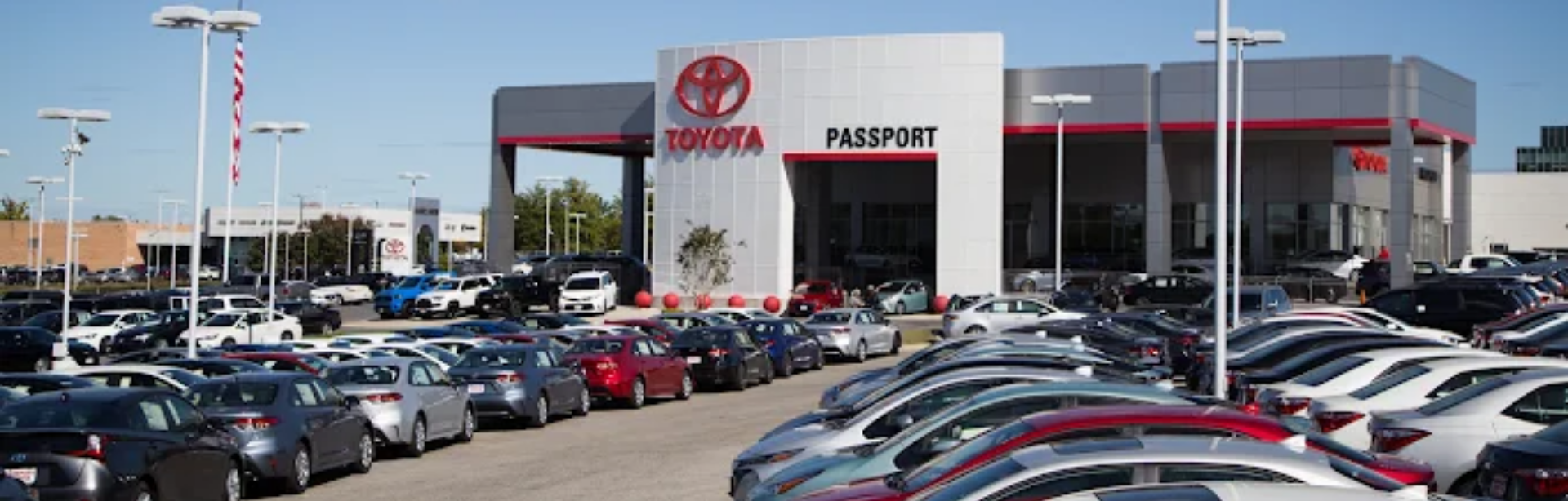
Passport Toyota is a premier automotive destination serving the Suitland, Washington D.C., and Waldorf communities with a commitment to excellence rooted in over 30 years of local service. As a flagship member of the family-owned Passport Auto Group, founded in 1991, we leverage decades of specialized expertise to provide a transparent, customer-first experience that has made us one of the most trusted names in the mid-Atlantic region. Our authority is backed by a track record of success, including being a multi-year recipient of the prestigious Toyota President’s Award, which recognizes our team’s superior dedication to sales and service standards. We are deeply invested in the well-being of our neighbors through the Passport Cares initiative, which has contributed over $4 million to vital organizations like the Maryland Food Bank, Martha’s Table, and various cancer research foundations. Whether you are exploring our reliable Toyota lineup or visiting our expert service center, you are partnering with a team that prioritizes community impact and long-term integrity above all else.Related Articles:
The Ultimate Guide to Finding the Best Toyota Dealer in Camp Springs, MD MD
![[Facebook]](https://www.passporttoyota.com/blogs/716/wp-content/plugins/bookmarkify/facebook.png)
![[LinkedIn]](https://www.passporttoyota.com/blogs/716/wp-content/plugins/bookmarkify/linkedin.png)
![[Twitter]](https://www.passporttoyota.com/blogs/716/wp-content/plugins/bookmarkify/twitter.png)
![[Yahoo!]](https://www.passporttoyota.com/blogs/716/wp-content/plugins/bookmarkify/yahoo.png)
![[Email]](https://www.passporttoyota.com/blogs/716/wp-content/plugins/bookmarkify/email.png)
Connect with us


